

With children spending more time indoors as a result of more technology-oriented pastimes, it’s important for them to know that enjoyment can be found outdoors, too. And you don’t have to go far! As the lighter nights come in, spend time after school gardening at home or down at a local allotment and have fun whilst educating your children. Compost… Read more
Premium Pools: Why Smart Garden Centre Buyers Should Explore This Emerging Opportunity in 2027
Friday, August 7, 2026 - 14:30
A lot of UK garden centres are yet to stock premium pools. However, a small number are quietly discovering that this overlooked category aligns perfectly with the outdoor living shift that garden retailers have been championing for years.
As retail buyers plan their 2027 mix, premium pools represent a strategic opportunity worth investigating. This is not an obvious play, but a calculated category expansion for the right retail sites.
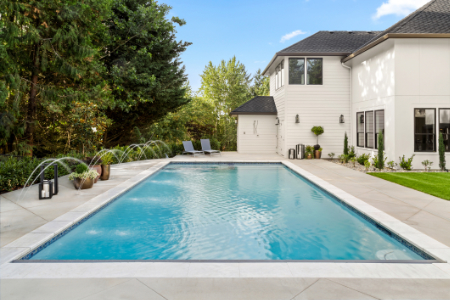 The diversification imperative
The case for diversification is already proven. According to the latest garden centre category diversification and sales performance data, non-gardening categories are now driving growth across the sector. In year-to-date figures through June 2026, non-gardening sales sat 5% ahead of the previous year, with catering alone up 7%. This isn’t a blip. It’s the new business model.
Garden centres have already explored furniture, wellness products, catering, and indoor living. Premium pools are the logical next step. They’re high-margin, they’re lifestyle-aligned, and they’re positioned in a market moving upwards.
According to research on swimming pool market trends, 27% of UK homeowners rank pools as the top item on their luxury home upgrade wish list, ahead of home cinemas and home gyms. Compass Pools’ latest data reveals that 70% of homeowners believe a pool would significantly enhance their wellbeing, while 88% prioritise energy and water management when considering the investment. These aren’t niche consumers; they’re the mainstream affluent buyers already shopping at garden centres.
Consumer demand is real
Consumer appetite for outdoor living has never been stronger. The outdoor living market research data shows UK households are projected to spend more than £6.5 billion on outdoor spaces in 2026, with 59% of consumers planning to purchase new outdoor furniture or accessories for their gardens. Garden centres are already capturing this spend through furniture and landscaping.
But outdoor living has evolved well beyond traditional garden furniture. Premium garden spaces now encompass garden rooms, outdoor kitchens, and integrated entertaining spaces. Garden centres stocking these premium categories have already tapped into affluent homeowners thinking about complete outdoor living ecosystems. These customers don’t view products in isolation; they’re imagining year-round outdoor wellness sanctuaries. The benefits of pairing garden rooms with swimming pools illustrate precisely this mindset: homeowners see garden rooms and pools as complementary components of the same premium outdoor investment. This is the customer trajectory garden centres should be tracking. Those already stocking garden rooms and outdoor kitchens are serving buyers who are actively considering pools as the natural next step in their outdoor living journey.
The barriers are real too
But here’s the honest bit: this isn’t straightforward like stocking furniture.
Space is the first barrier. Premium pools require dedicated display or demonstration areas. A swim spa showroom, even a modest one, takes meaningful square footage. Most garden centres operate on tight retail density, and not every site has the physical capacity to allocate floor space to this category. Planning permission can also be a complication, some retail sites sit in conservation areas or have restrictive covenants that limit what can be positioned outdoors or demonstrated on-site.
Customer education is another real constraint. Garden centre staff typically know plants, gardening tools, and outdoor furniture. Premium pools involve technical questions around installation, planning, water systems, maintenance, and finance. It’s a different sales conversation. Buyers would need training and ongoing support from a supplier partner who understands this.
Installation logistics matter too. Unlike furniture that goes straight home, pools require site survey, design, groundwork, and professional fitting. Garden centres would need to partner with credible installers or work through a referral model rather than holding inventory.
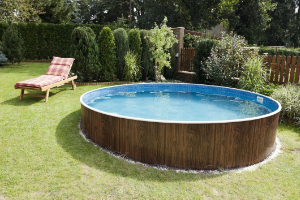
How forward-thinking retailers are making it work
Yet these barriers don’t make the opportunity invalid; they just mean it requires the right partner. In fact, a growing number of garden centres are proving the model works. Some host specialist pool retailers within their footprint as concession partners. A showroom that handles the technical side benefits from the garden centre’s existing footfall and customer relationships. It’s an arrangement that delivers for all parties. The garden centre differentiates itself, captures a new customer segment, and earns revenue from a high-value category without taking on operational complexity or technical risk.
That’s where supplier infrastructure matters. Leading manufacturers in this space have already built the systems to support this: design consultation, technical specification, trained installers, customer financing options, and ongoing aftercare. A garden centre buyer exploring this category wouldn’t be starting from scratch, they’d be leveraging an existing ecosystem.
The strategic advantage for retail buyers
The case for garden centre buyers is straightforward. First, it’s a genuine category gap. Most consumers exploring premium pools online don’t know where to start. Having a trusted, local retailer (one they already know and shop at regularly) suddenly becomes valuable. Second, it’s a margin play. Pools sit at a vastly different price point than garden furniture or catering. A single conversion can be meaningful to annual revenue. Third, it differentiates from online competition. You can’t buy a bespoke pool from an algorithm. You need expert guidance, site evaluation, and trusted partnership. That’s retail advantage.
There’s also the values alignment. Consumers investing in premium pools today care deeply about water efficiency, energy performance, and design integrity. These aren’t impulse buys, they’re considered, premium lifestyle investments. Garden centre customers, particularly the affluent buyers already shopping for quality outdoor furniture and plants, align perfectly with this demographic.
The timing is right
The timeline matters too. Consumer research shows the market is expanding, but it’s not saturated. Buyers who move into this category in 2027 won’t be late, they’ll be early movers in a still-emerging retail segment.
What garden centre buyers should prioritise for 2026, according to industry analysis, is exploring how emerging categories fit their existing retail model. Premium pools don’t fit every site, but they fit far more than currently stock them. The question isn’t whether pools are a mass-market play. They’re not. The question is whether they’re worth a serious conversation with a supplier who has the infrastructure to make it work.
A question worth asking
Forward-thinking retail buyers should be asking themselves: do we have the space, the customer demographic, and the partner capability to explore this? If the answer is yes, 2027 is worth investigating. If it’s no, watch the segment develop. One thing is certain, the few garden centres already in this space are capturing a category that most of their competitors have entirely overlooked.
By Dakota Murphey
- Log in to post comments